Zawory kulowe · Zawory kulowe pływające
Kute zawory kulowe pływające
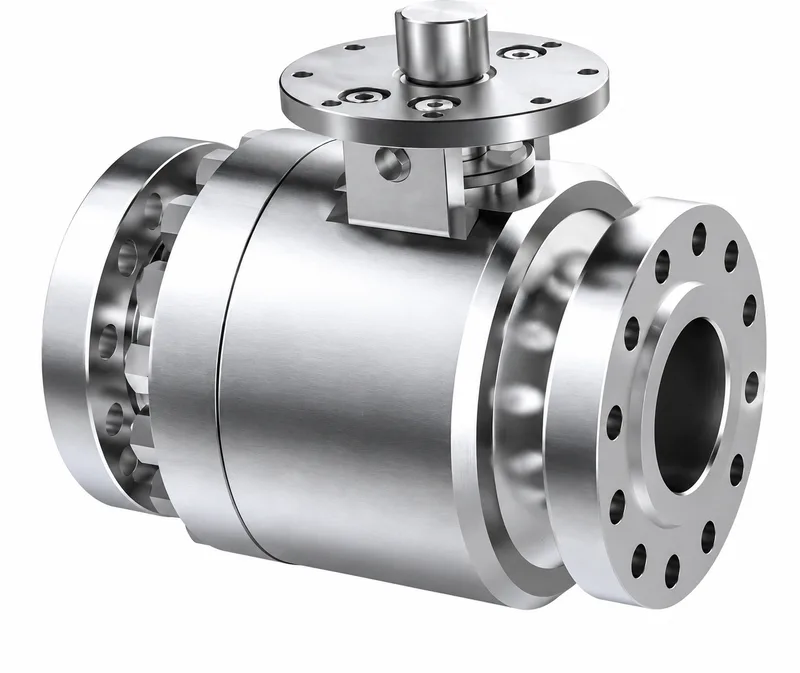
Kute zawory kulowe pływające to kute wykonanie zasady pływającej: ciśnienie linii dociska kulę do gniazda dolnego, a kuta konstrukcja A105/A182 pasuje do serwisu wysokociśnieniowego o wysokiej integralności, gdzie odlew byłby słabym punktem. Zebrana strona benchmarkowa obejmuje DN15 do DN200 w PN10 do PN160 i Class 150 do Class 2500, z końcami RF, RTJ i spawanymi doczołowo, gniazdami z rodziny PTFE lub metalowymi oraz napędem ręcznym, przekładniowym lub elektrycznym.
Część rodziny Zawory kulowe pływające
Ostatnia aktualizacja: 2026-11
Specyfikacje
| Valve body material | WCB, A105, CF8, CF8M |
|---|---|
| Bonnet material | WCB, CF8, CF8M, A105 |
| Ball material | A105, SS304, SS316 |
| Stem material | F6a, SS304, SS316 |
| Seat material | EPDM, Metal, Viton, PTFE, NBR |
| Nominal valve connection size | DN15 to DN200 |
| Pressure class / nominal rating designation | PN10 to PN160, Class 150 to Class 2500 |
| End connection types | RF, RTJ, BW |
| Operation / closure mode | Handle, Gear Operated, Electric Actuated |
| Design standards | ASME B16.34, BS5351, API 6D, API 608 |
| Face-to-face dimensional standard | ASME B16.10, API 6D |
| Flange standards | ASME B16.5 |
| Inspection and pressure-test standards | API 598, API 6D |
| Service temperature range | -46°C to 120°C |
Wskazówki aplikacyjne i dobór
Select by working pressure class first — the forged execution reaches Class 2500, above where cast floating bodies usually stop — then by seat material against line temperature (PTFE-family and elastomer seats versus metal seats for hot or abrasive service) and by end connection against the piping standard (RF/RTJ flanges per ASME B16.5 or butt-weld ends per ASME B16.25). At large bore or high torque duty the floating principle itself becomes the limit; there specify a trunnion-mounted execution instead of treating the two as interchangeable.
Najczęstsze pytania
Forged floating ball valve vs cast floating ball valve — what is the difference?
Both use the floating-ball seating principle; the difference is the body manufacturing route. A forged body (A105, CF8, CF8M executions) has a denser grain structure and is the usual choice for higher pressure classes and critical service, while cast bodies (WCB, CF8M castings) are more economical in the common Class 150 to 600 range. The collected benchmark page lists both forged and cast grades among its body material options, so the material certificate and pressure class — not the family name — should drive the choice.
Which pressure class and seat material should I pick?
Match the pressure class to the line design rating first: this execution spans PN10 to PN160 and Class 150 to Class 2500. Then pick the seat against media temperature — PTFE and elastomer seats (EPDM, NBR, Viton) cover most chemical, water and hydrocarbon duty within their temperature limits, and metal seats serve hot, dirty or abrasive media. Confirm the exact seat-versus-temperature pairing at quotation.
What information is needed to quote a forged floating ball valve?
Provide nominal size (DN15 to DN200 on the benchmark page), pressure class or PN rating, body and seat material preference, end connection (RF, RTJ or butt weld), operation (handle, gear or electric actuator), and the service medium with temperature. Those five to six data points let a quotation specify the exact execution and documentation set.
Zamawianie i dokumentacja
Dokumenty
Zamów wraz z zapytaniem zestaw dokumentacji, którego potrzebujesz — typowe pozycje dla tego wykonania (świadectwa materiałowe, raporty badań wg podanej normy inspekcyjnej, rysunki wymiarowe) są potwierdzane i dostarczane wraz z ofertą.
Wycena
Zapytanie gotowe do wyceny podaje: średnicę nominalną i ciśnienie znamionowe, preferencje materiału korpusu i gniazda, przyłącze, sterowanie oraz medium pracy z temperaturą. Typowe wartości na tej stronie to referencyjne zakresy benchmarkowe; wartości wiążące są potwierdzane w ofercie.
Próbka i dostawa
Warunki dostawy, ilości zamówienia i termin są ustalane dla każdego zamówienia — podaj kraj przeznaczenia i wymagany harmonogram wraz z zapytaniem.
Przechowywanie i wysyłka
Przechowuj zawory z gniazdami i uszczelnieniami chronionymi przed UV, ozonem i odkształceniem, trzymaj osłony powierzchni przylgowych do momentu montażu, a w wykonaniach z gniazdami elastomerowymi lub PTFE unikaj długotrwałego przechowywania na zewnątrz — mieszanki gniazd starzeją się najszybciej w bezpośrednim słońcu i mrozie.
Wiedza: poradniki doboru
Zapytaj o wycenę: Kute zawory kulowe pływające
Prześlij wymaganie dla tego wykonania tutaj — zapytanie gotowe do wyceny podaje parametry wymienione pod polem wiadomości; wartości wiążące są potwierdzane w ofercie.
Co dzieje się z Państwa danymi, opisuje nasza klauzula prywatności.
Wycena dla Kute zawory kulowe pływające
Prześlij średnicę, klasę ciśnienia i materiały, aby zapytanie było gotowe do wyceny — odpowiadamy dokumentami i warunkami.
Zapytaj o wycenę